
Sea freight imports
We review the destination handoff before the vessel arrives, including documentation, cargo release and any onward transport you need after discharge.
A few pallets can travel in shared container space. A larger order may justify a container of its own. We help you compare the full cost and handling at both ends, including collection from the supplier and delivery after release.
Email us for a quote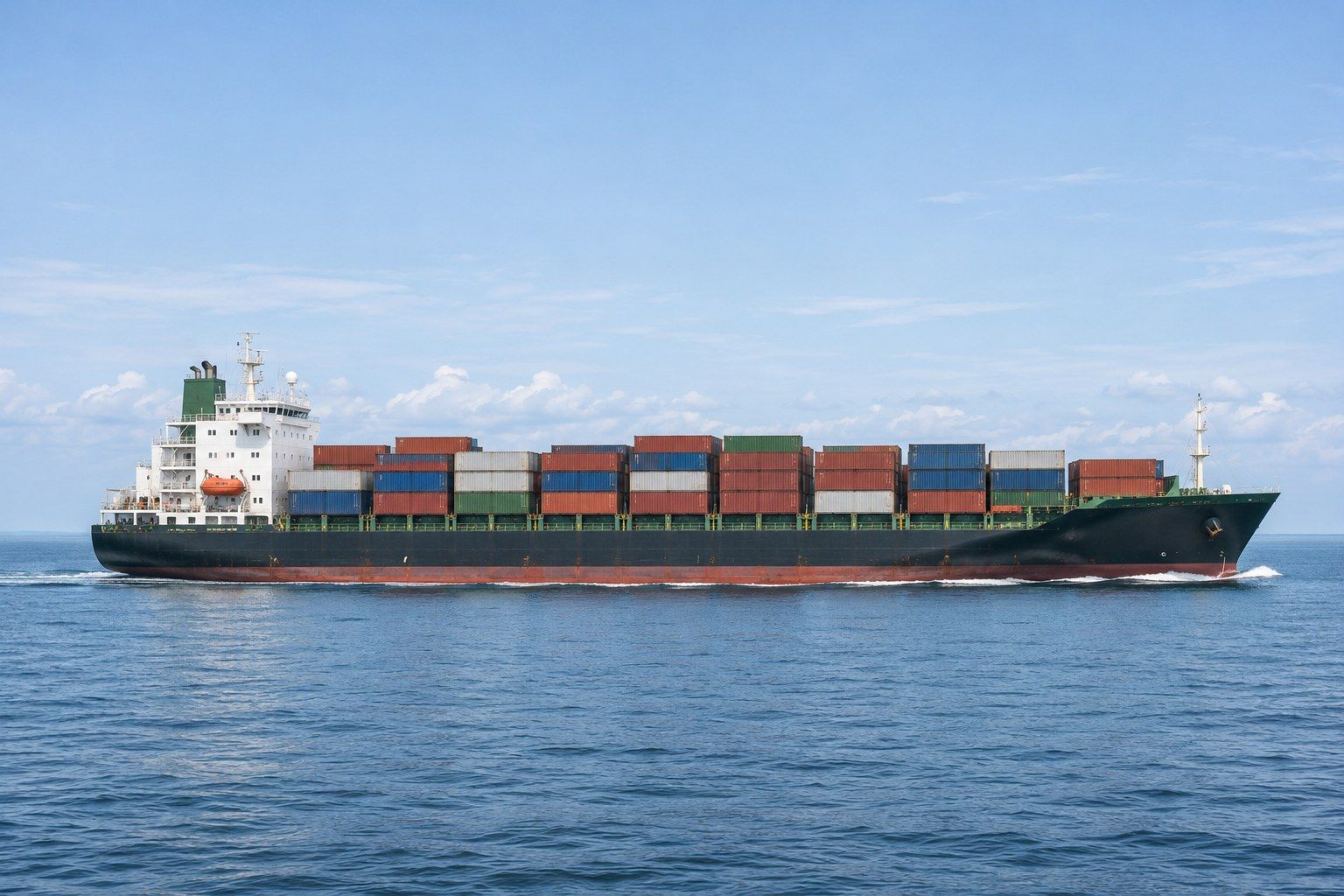
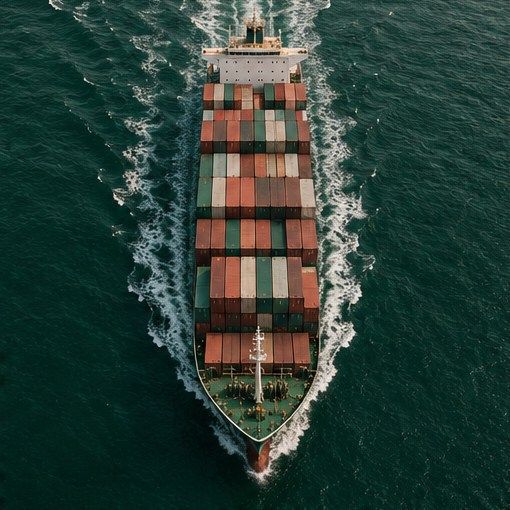
An importer with several pallets can compare shared container space with a dedicated container. Ask for the full cost and timing at both ends, including any consolidation and inland delivery.
Less than Container Load (LCL) shares space. Full Container Load (FCL) reserves a container for your shipment.
Allow for cargo cutoffs, sailing, unloading and release before arranging final delivery.
Tell us whether the destination can receive a container and how the cargo will be unloaded.
Ocean freight suits shipments where volume, equipment and total cost matter. Compare the complete movement and how long the cargo can spend in transit before choosing shared or dedicated container space.
Compare total costs, shipment size, handling sensitivity and schedules. LCL can suit smaller loads, while FCL provides dedicated space.
Yes. Provide both addresses and the access requirements so those legs can be assessed with the ocean movement.
Check the origin and destination services, sailing and delivery estimates, and which handling or storage charges are included.
Multiply the outside length, width and height in metres, then multiply by the number of identical cartons. Ten cartons measuring 0.6 m by 0.4 m by 0.5 m take up 1.2 cubic metres before palletising. If the goods will travel on pallets, send the final pallet measurements.
Check the vehicle access, receiving hours, unloading equipment and time the site needs to empty the container. If a full container cannot reach the premises, ask about unloading at a suitable facility and delivering the goods by truck.